1. Confirm the watch identity
- Brand/model family and intended reference style
- Case size and material/color
- Dial color and marker configuration
- Bracelet or strap type
2. Straight-on dial photo
- Logo and text level
- Applied marker alignment
- Subdial spacing and hand centering
- Date/day window centering
- Bezel-to-dial alignment
3. Side profiles
- Measured thickness
- Crown/stem position
- Chronograph pushers or travel-time correctors
- Caseback seating and gasket gaps
4. Function video
For chronographs, show start, stop and reset. For GMT, show independent or linked hour-hand behavior. For Day-Date, show both calendar functions. For Patek 5990-style watches, demonstrate Travel Time and chronograph separately.
5. Movement and timing
If movement identity affects price, request a clear movement image. A timegrapher screenshot can add useful information for mechanical watches but should be interpreted in context; one position does not describe every wearing condition.
6. Bracelet, strap and clasp
- End-link fit
- Link articulation
- Clasp closure
- Visible plating wear or scratches
- Rubber-strap fit against case
7. Water resistance only when tested
Do not accept the genuine model’s rating as a replica specification. If water use matters, request a pressure-test result for the individual watch.
Use neutral light and consistent camera angles
QC is easier when every watch is photographed in similar conditions. Strong reflections can hide dial printing, while wide-angle phone lenses can distort case shape. A straight-on photo from a moderate distance is the most useful starting point; side views should be level with the case rather than shot from above.
Dial alignment: create imaginary reference lines
Draw an imaginary vertical line through 12 and 6 and a horizontal line through 3 and 9. Check whether the logo, date, subdials and markers respect those axes. For AP and Patek-style dials, also examine how textured patterns meet markers and apertures.
Chronograph QC
- Record the resting position of every chronograph hand.
- Start the chronograph and confirm the correct hand moves.
- Let it run long enough for the minute counter to advance.
- Stop and restart.
- Reset and verify all timing hands return accurately.
If a subdial is only a 24-hour indicator, it should be described as such rather than treated as a chronograph counter.
GMT and travel-time QC
Ask the seller to demonstrate how the extra hour hand is set. On true traveler-style mechanisms, local time may move independently. On simpler GMT movements, the 24-hour hand may be the independently set hand. Neither is automatically wrong for a replica, but the function should match the listing.
Calendar QC
Photograph several date numbers if possible, including a double digit. Check depth, centering and whether the change happens cleanly. On Day-Date-style watches, verify both the day and date. On Patek 5990-style watches, verify that any claimed local-time-linked date behavior is actually demonstrated.
Timegrapher QC
If supplied, record rate, amplitude and beat error, but do not overinterpret a single snapshot. Mechanical movements change with position and state of wind. The result is best used to catch obvious problems or to compare several watches measured under similar conditions.
Cosmetic defect severity
Separate dust on the crystal from dust under the crystal; removable protective-film marks from scratches; minor clasp marks from deep case damage. Ask for a second photo before rejecting a watch over something that may be lighting or packaging film.
Final accept/reject decision
Prioritize defects that affect function, dimensions or highly visible alignment. Tiny finishing differences may be acceptable in a replica depending on price. A non-working complication, badly misaligned dial or significant case damage should carry much more weight.
Brand-specific final checks
| Brand family | Extra QC focus |
|---|---|
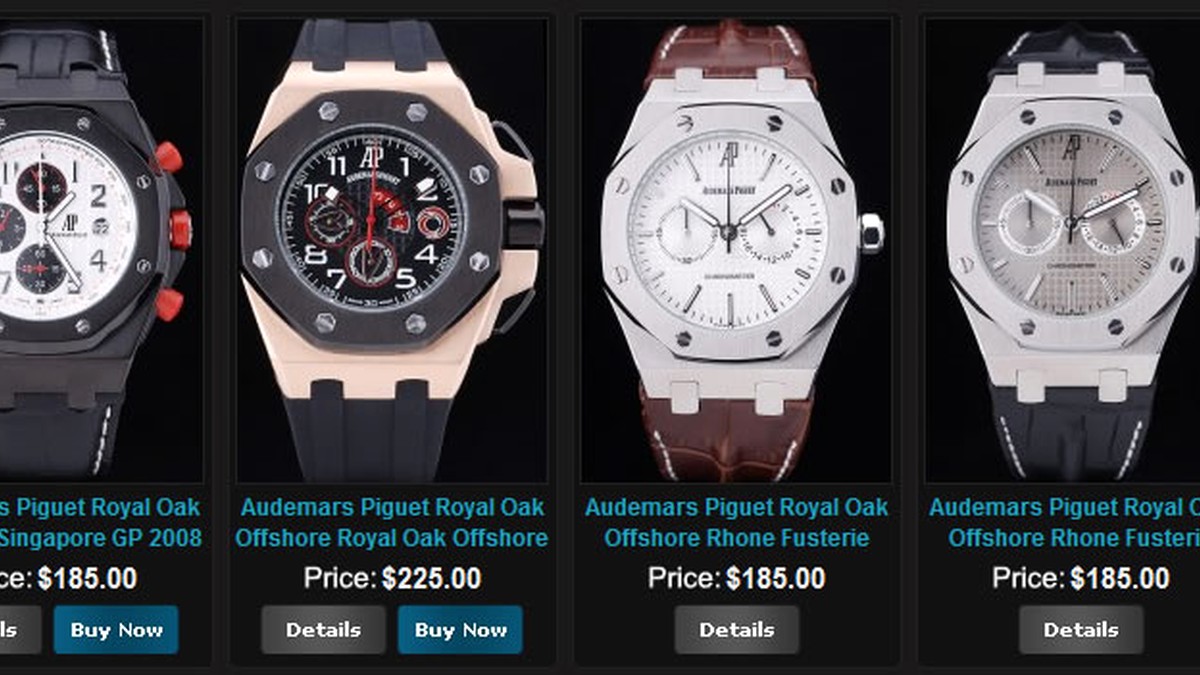
| Audemars Piguet Offshore | Bezel screws, Tapisserie texture, chronograph registers, strap integration |
| Patek Philippe 5990 | Travel-time correctors, hand stack, date hand, case thickness |
| Rolex | Bezel/crown guards, Cyclops/date, bracelet/clasp, model-generation consistency |
| Omega Speedmaster | Subdial spacing, tachymeter, twisted lugs, repeated chronograph reset |
| Breitling Navitimer | Slide-rule alignment, dense printing, crystal reflections, register function |
Create a short QC report
Write down the items you checked and any defects you accepted. This is especially useful when buying more than one watch or comparing multiple sellers. It also prevents small concerns from being forgotten after payment.
QC cannot predict long-term reliability
A watch can pass visual and functional checks and still develop a future problem. QC reduces the chance of receiving an obvious defect; it is not a durability guarantee. Movement serviceability and seller after-sales policy remain separate considerations.
A minimum QC photo set
For a typical watch, request at least one straight-on dial image, left and right side profiles, a crown/pusher view, caseback, clasp open and closed, bracelet or strap attachment points, and a photo showing the watch next to a ruler or caliper if dimensions are important. Complicated watches also need a short function video. A chronograph should be shown starting, stopping and resetting; a GMT or Travel Time model should show the extra hour hand being adjusted; a Day-Date should show both calendar indications changing.
The purpose is not to collect as many images as possible. It is to cover each part of the watch with the minimum number of views that reveal alignment, finishing, dimensions and function. Ten useful photographs are better than thirty dramatic wrist shots that all hide the same side of the case.
Use the same QC order every time
A repeatable order reduces bias. Check identity and configuration first, then dial alignment, case geometry, functions, bracelet or strap, timekeeping evidence and finally cosmetic marks. If a major functional or reference error appears early, do not let a beautiful dial distract from it. Consistency is one of the main reasons a written checklist outperforms an improvised inspection.
Frequently asked questions
How many photos are enough for QC?
There is no fixed number. You need enough views to judge dial, both case sides, back, clasp/bracelet and any important function.
Is a timegrapher result proof of overall quality?
No. It is one useful measurement of the movement in a particular position and state.
Should every replica be pressure tested?
Only if water resistance matters to the buyer; otherwise it is optional.