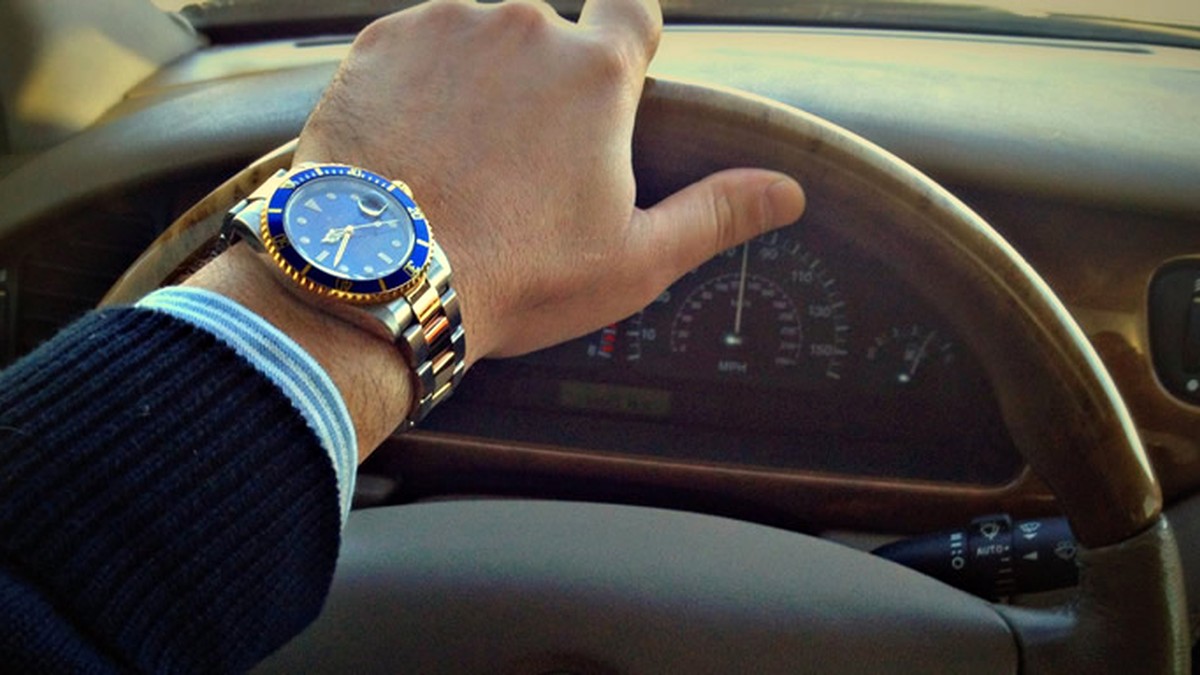
Material language is often borrowed from genuine specifications
Listings frequently repeat terms such as 904L steel, sapphire crystal, ceramic bezel and 18K gold plating because those phrases sound precise. The buyer still needs evidence that the specific watch uses the claimed material. Color and weight alone are rarely enough.
316L and 904L steel claims
Both are corrosion-resistant stainless steels used in watchmaking. A polished photograph cannot reliably establish alloy grade. More practical checks include consistency of finishing, sharpness of brushed/polished transitions, bracelet feel, corrosion behavior and supplier documentation.
Sapphire versus mineral crystal
Sapphire is valued for scratch resistance, but crystal profile and anti-reflective treatment can be just as visible. A thick, highly reflective sapphire can look less convincing than a correctly shaped crystal in another material. Ask what is fitted, then judge profile and clarity.
Ceramic bezels
On sports watches, check gloss/matte character, engraving fill, alignment and edge quality. “Ceramic” does not guarantee that the numerals, color or knurling match the intended reference.
Gold-tone plating and PVD
Gold color can be produced by different coatings over base metal. Wear tends to appear first at clasp edges, bracelet articulation points, crown and case corners. Ask about coating method, thickness if known, and whether replacement or refinishing is realistic.
Rubber and integrated straps
For AP-style watches especially, strap texture, flexibility, smell, buckle quality and fit against the case are practical quality signals. Poor strap geometry can spoil an otherwise strong watch.
Weight is a clue, not a material certificate
A heavier watch may use denser metal, thicker components or simply a heavier bracelet. Tungsten inserts can also be used to change weight. Do not treat total grams as proof of gold, platinum or a specific steel alloy. Compare weight only after confirming that case size, bracelet length and movement type are similar.
Brushing, polishing and edge definition
Material quality is only part of what you see. Finishing determines whether an AP bezel looks architectural, whether a Nautilus case shows clean bevels and whether a Rolex bracelet has the expected contrast between brushed and polished surfaces. Inspect transitions under neutral light.
Coating durability depends on contact points
Gold-tone and colored coatings wear fastest where metal rubs against metal or skin: clasp blades, bracelet sides, crown edges and caseback contact areas. Ask for close-ups of those zones on QC photos, especially if the watch has been handled before sale.
Lume is also a material system
Markers and hands rely on luminous compounds. Uneven application can reveal low-quality assembly. A short charged-lume photo can show color consistency, but long-term brightness requires time-based testing rather than one dramatic image immediately after charging.
Seals and gaskets cannot be judged visually
Crown tubes, caseback gaskets and crystal seals determine water resistance along with assembly quality. A sapphire crystal and screw-down crown do not guarantee a sealed watch. Pressure testing remains the practical standard if water exposure matters.
Mixed-material watches create extra matching problems
Models combining steel, ceramic, rubber and gold-tone components need consistent color and finishing at every transition. Check bezel-to-case fit, strap end pieces, crown/pusher materials and clasp color. A single mismatched component can be more noticeable than a small dial-printing error.
Material verification checklist
- Ask for the claimed material in writing.
- Inspect finishing and high-wear edges.
- Do not infer alloy from color alone.
- Confirm crystal type if scratch resistance matters.
- Request pressure testing separately from material claims.
Crystal coatings and reflections
Anti-reflective coatings can change dial readability dramatically, especially on a Breitling Navitimer or dark Speedmaster. Check daylight photos from several angles. A very strong blue or purple reflection may be intentional coating behavior, while uneven haze can indicate surface contamination or coating damage.
Ceramic is brittle even when scratch resistant
Ceramic bezel inserts and cases can resist ordinary surface scratching well, but edge impacts can chip them. Inspect the outer bezel edge and screw seats on AP-style ceramic parts. A clean glossy surface in one photo does not show impact damage at the edge.
Bracelet materials and internal surfaces
Do not inspect only the top surface. Open the clasp and look at inner link edges, screws, pins and hidden surfaces where finishing shortcuts are common. Sharp burrs or rough machining affect comfort and can accelerate wear.
Material claims should be stored with the order
If the seller states sapphire, ceramic, 904L, titanium or a specific coating, save that claim with the order record. It creates a clear reference if the delivered watch differs from the description.
Material claims that can be checked visually—and those that cannot
Some material problems are visible before purchase. Poorly matched brushing and polishing, uneven gold-tone color, sharp bracelet edges, cloudy crystal coatings and inconsistent ceramic finishing can often be seen in clear photographs. Other claims cannot be confirmed from appearance alone. A photograph cannot reliably prove 904L steel, sapphire composition, plating thickness or a specific gasket material. Treat those as specifications that need documentation or testing rather than visual assumptions.
For plated watches, request close photographs of the clasp edges, bracelet sides, crown, pushers and underside of the lugs. These are high-contact areas where thin or uneven coatings often reveal themselves first. For ceramic bezels, inspect engraved or filled numerals and the transition between ceramic and metal. For sapphire claims, focus on clarity and coating quality in photos but remember that true material identification requires more than a reflection test.
Mixed finishes are harder to reproduce than a single polished surface
Luxury sports watches often combine vertical brushing, circular brushing, polished bevels and mirror-polished edges within a small area. A replica can use the correct base material and still look inexpensive if those finish transitions are soft or inconsistent. Check whether edges remain defined, whether brushing directions match across adjoining parts and whether polished accents are clean rather than wavy.
Frequently asked questions
Can you prove 904L steel from a photo?
No. Visual appearance alone is not reliable alloy verification.
Is sapphire always the best-looking crystal?
Not automatically. Shape, thickness and anti-reflective treatment also affect appearance.
Where does gold-tone coating usually wear first?
High-contact edges such as clasps, bracelet joints, crown and case corners are common wear points.